A collecting budget protects the fun by turning enthusiasm into boundaries. Set separate limits for buying, storage, care, display, shipping, and mistakes so the hobby stays satisfying instead of becoming a quiet financial drain.
Collecting-budget guardrails
- Create a monthly collecting cap and a separate annual “grail fund” for rare items.
- Budget for care materials, storage, insurance, framing, and shipping before chasing new acquisitions.
- Write a collecting focus in one sentence so every purchase has to earn its place.
Name the collection before you fund it
The broadest collection is usually the most expensive one. “I collect music memorabilia” can become vinyl, posters, shirts, ticket stubs, books, toys, autographs, and equipment. A stronger focus might be “local punk show posters from my city,” “first pressings from three labels,” or “animation figures from one decade.” The sentence does not have to be permanent. It just slows impulse buying.
Focus also keeps the hobby connected to enjoyment. If you are already building culture habits, such as a personal film watchlist by genre, director, and era, the collection should support those experiences rather than compete with them.
Build the real cost model
Collectors often budget only for the object. The true cost includes buyer premiums, tax, shipping, protective sleeves, frames, shelves, climate control, insurance, repairs, authentication, and the money lost when an item is not as described. A monthly cap handles ordinary purchases. A separate annual fund handles rare items so one exciting find does not wreck everyday finances.
| Budget bucket | What it covers | Suggested rule |
|---|---|---|
| Monthly finds | Affordable routine purchases | Stop when the cap is reached, even if the deal looks good. |
| Grail fund | Rare or higher-value targets | Save slowly and define the exact item in advance. |
| Care and storage | Sleeves, boxes, frames, shelves, climate needs | Reserve money before buying fragile items. |
| Mistake margin | Returns, repairs, authentication, bad shipping | Expect some learning costs without hiding them. |
Protect condition before chasing quantity
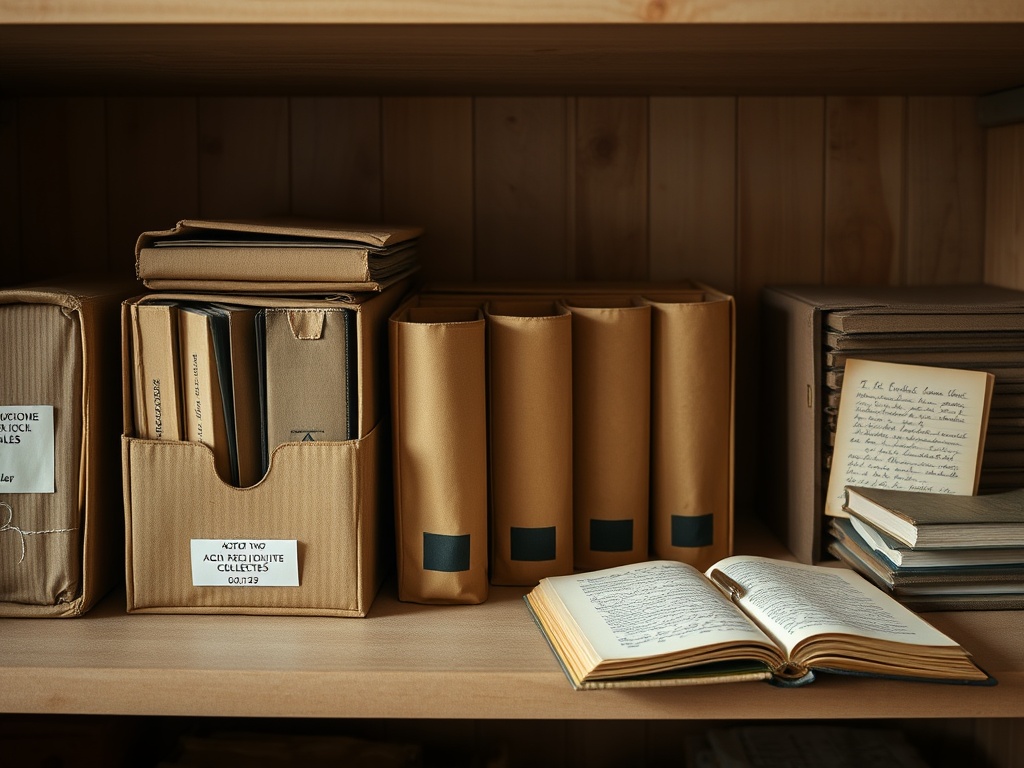
Condition is part of the pleasure. Posters, paper goods, photographs, and books can suffer from light, humidity, pressure, tape, and handling. The Library of Congress guide to works on paper care explains that careful handling and storage are among the most effective preservation measures. Smithsonian Institution Archives guidance on storage and handling also highlights the role of appropriate enclosures and boxes.
This does not mean every collector needs museum-level storage. It means a $40 poster may deserve a $6 sleeve before you buy another poster. If you enjoy learning about art context, the same attention used to read a gallery wall label can help you record provenance, edition details, and condition notes in your own collection.
For screen-related collectibles, do not let every beloved title become a purchase category. The restraint used to build a TV watchlist without choice overload also helps collectors decide which stories deserve physical space.
Make buying rules before the auction starts
Auctions and resale marketplaces can trigger urgency. Decide your maximum total price before bidding, including shipping, fees, and tax. Check seller history, return policy, photos, edition details, and condition descriptions. The FTC’s older but still useful government guide to internet auctions explains common buyer and seller issues, including payment, delivery, and phishing risks.
When a listing feels too urgent, step away for five minutes. Ask whether the item fits your focus, whether you already own something similar, and whether the care cost is included. A bargain that does not fit the collection is not a bargain; it is clutter with a receipt.
Common budget mistakes
- Counting only the purchase price and ignoring storage, care, fees, and shipping.
- Buying outside the collection focus because an item is discounted.
- Using resale prices as proof of future profit.
- Displaying fragile items in direct light without planning for fading.
- Feeling guilty about skipping a deal that was never in the budget.
When to ask an expert
DIY budgeting works for low-cost collectibles, personal memorabilia, and casual displays. Ask for help when an item is expensive, fragile, signed, historically significant, insured, or described with specialized terms you do not understand. Appraisers, conservators, experienced dealers, and archive professionals can help you avoid overpaying or damaging the item after purchase. Expert advice costs money, but so do preventable mistakes.
Track emotional spending signals
Collectors buy with memory, identity, nostalgia, and status, not just logic. That is part of the appeal. Still, it helps to recognize emotional triggers: bidding because someone else wants the item, buying after a stressful week, chasing a childhood memory at any price, or treating a limited drop as a personal test. None of these feelings are wrong, but they are not a budget.
Add a 24-hour hold rule for anything above your normal threshold. If the item still fits your focus and budget the next day, the purchase will feel better because it survived reflection.
Build a wish list that is separate from your shopping cart. The wish list is allowed to be ambitious; the cart must obey the budget. Revisit the wish list monthly and rank items by fit, condition, price, and joy. Many objects lose their pull once they sit outside the pressure of a countdown timer.
Photograph and catalog what you already own before buying more. A simple spreadsheet or notebook with item, date, price, condition, source, and storage location can prevent duplicate purchases and reveal which parts of the collection receive the most care.
For higher-value items, keep receipts and seller messages in a folder. Documentation may matter later for insurance, resale, provenance, or simply remembering why the item mattered when you bought it.
Let the collection stay joyful
Review the collection twice a year. List what you bought, what you still enjoy, what needs care, and what no longer fits. Sell, donate, or gift items that create guilt instead of pleasure. A good collecting budget does not make the hobby cold. It protects the thrill by keeping purchases intentional, bills predictable, and objects cared for. The best collection is not the biggest one. It is the one you can explain, afford, preserve, and still feel happy to live with.