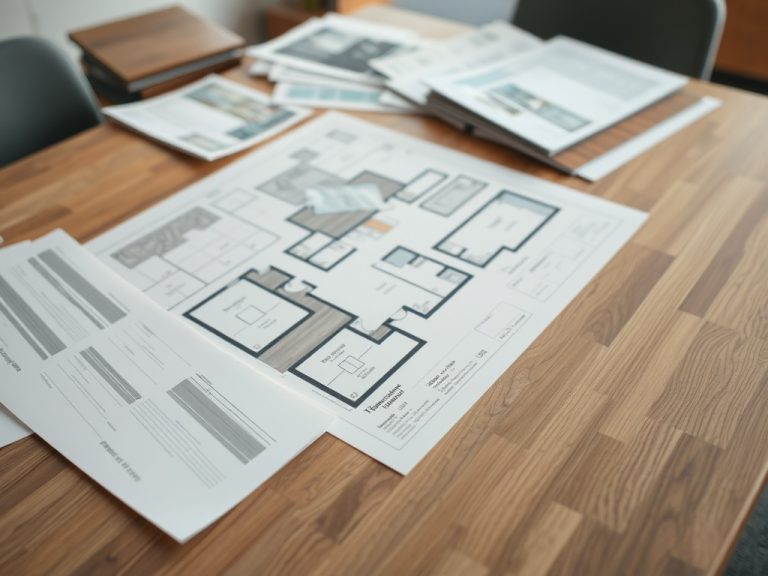
Owners should review a contractor's estimate by checking whether the scope, quantities, assumptions, exclusions, allowances, alternates, schedule constraints, payment terms, and change-order rules match the project they expect to buy. The lowest number is not automatically the best number if important work is missing or unclear.
Estimate Review Snapshot: Read the scope first, compare inclusions and exclusions, question allowances, confirm assumptions, check schedule and payment terms, and keep a written clarification log before signing. This article is educational only and is not legal, financial, engineering, insurance, or contract advice.
Start with scope completeness
An estimate should describe the work clearly enough that the owner can understand what is included. A line that says "renovate office" is not enough. Better estimates break out demolition, protection, framing, electrical, mechanical, plumbing, finishes, permits, cleanup, closeout, and owner-supplied items when applicable. The owner should look for gaps between drawings, conversations, and the estimate.
Before comparing prices, ask: does this estimate cover the actual project? Missing scope can make a bid look attractive until change orders begin. A complete estimate should also identify assumptions, such as work hours, access, staging area, existing conditions, utility shutdowns, disposal, and whether permit fees are included.
The Federal Trade Commission recommends checking references, licenses, insurance, written estimates, and contracts before starting home-repair work. While the details differ for commercial projects, the FTC's home repair guidance supports the general principle that owners should slow down and verify before committing.
Separate price questions from risk questions
Price tells only part of the story. An estimate also allocates risk. If the contractor excludes hidden conditions, utility conflicts, permit delays, price escalation, after-hours work, or owner-caused delays, the owner needs to understand how those items will be handled. Some exclusions are reasonable. The problem is not the existence of exclusions; it is signing without understanding them.
| Estimate item | What to check | Why it matters |
|---|---|---|
| Inclusions | Specific work, materials, labor, equipment, cleanup | Confirms the base price covers expected work |
| Exclusions | Work not included, unknown conditions, fees | Identifies future cost or schedule risk |
| Allowances | Placeholder budgets for undecided items | Low allowances can make totals look smaller |
| Alternates | Optional adds or deducts | Helps compare choices without changing the base scope |
| Unit prices | Pricing per measurable unit | Useful for variable quantities or unknown conditions |
| Schedule notes | Work hours, lead times, sequencing | Reveals disruption and access assumptions |
A contractor's number should also be checked against project records. If a permit is required, the estimate should state who prepares the application, who pays fees, and who schedules inspections. That makes estimate review closely tied to building permit process planning.
Compare bids without chasing the lowest number
When comparing estimates, normalize them. Create a comparison sheet with the same scope categories for each bidder. Note missing items, qualifications, and assumptions. If one estimate is much lower, ask what is different. It may reflect a smart method, a supplier advantage, or a misunderstanding. Owners should avoid forcing all bidders to match a number without clarifying scope, because that can create disputes later.
The Consumer Financial Protection Bureau advises people rebuilding after disasters to explore options, compare services, and research contractors. Its contractor guidance is written for disaster recovery, but the underlying habit of comparing and researching applies broadly.
Review allowances, alternates, and exclusions carefully
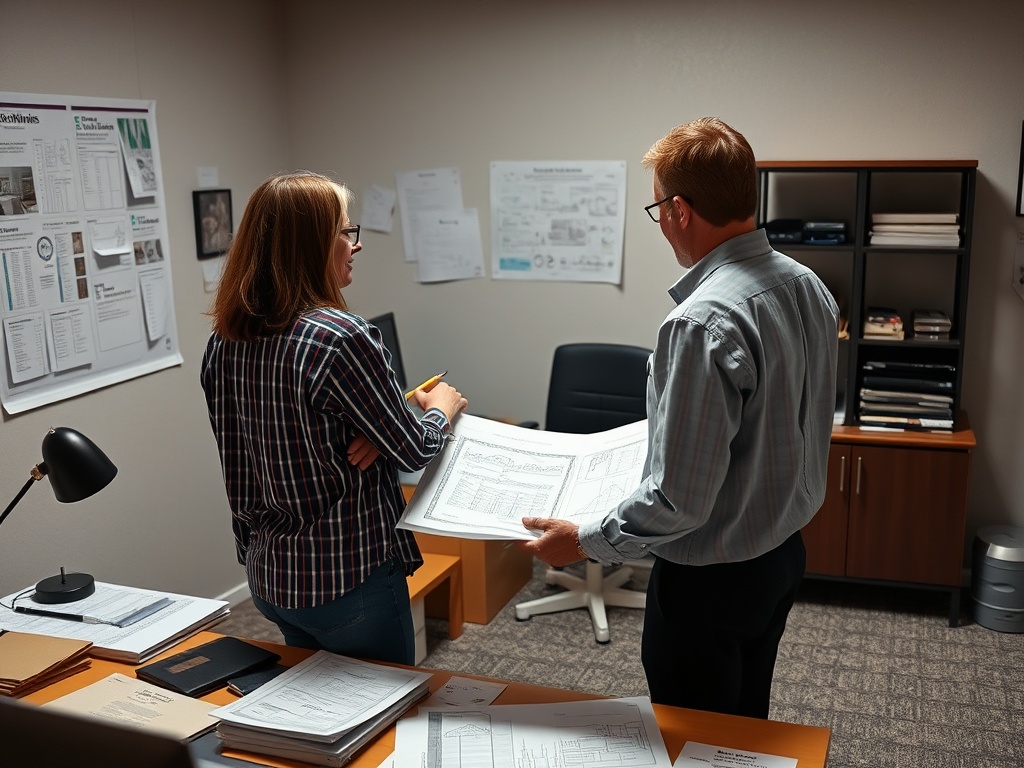
Allowances are placeholders for items not fully selected. They can be useful, but they also create uncertainty. If a flooring allowance assumes a basic product and the owner expects a high-performance finish, the final cost may change. If a lighting allowance does not include controls, sensors, or specialty fixtures, the owner needs to know before signing.
Finish selection is one area where estimate language can be especially misleading. A bid may include "flooring" or "paint" without matching the durability or occupancy needs of the space. Owners can reduce risk by aligning product expectations with finish selection priorities by occupancy type.
Exclusions deserve equal attention. Common exclusions include hazardous materials, concealed damage, utility upgrades, engineering, permit fees, testing, after-hours labor, temporary protection, and patching outside the work area. None of these should be assumed without written clarification.
Payment terms, changes, and paper trail
The estimate should connect to contract terms. How much is due up front? What triggers progress payments? What evidence supports payment requests? How are change orders priced and approved? What happens if the owner changes scope? What warranties or closeout documents are required?
NAHB advises consumers to make sure a builder or remodeler provides a complete and clearly written contract and to be cautious of unusually low-priced bids. Its builder and remodeler hiring checklist reinforces the importance of clear contract documents.
Owners should also pay attention to repeated maintenance or repair estimates. If the same repair keeps appearing, the owner may need to ask whether the scope addresses the cause or only the symptom. That connects estimate review with root cause analysis for equipment failures.
Passive and energy-related choices can also affect estimates. A design that reduces mechanical load may shift costs between envelope, shading, glazing, and equipment. Owners reviewing energy-focused scopes should understand how passive design strategies are reflected in the estimate.
Keep clarifications out of side conversations
Many estimate disputes begin with verbal clarifications that never reach the contract documents. Owners should keep a written question log that records the question, the contractor's answer, any drawing or specification reference, and whether the estimate changed. If a clarification affects scope, price, schedule, warranty, or responsibility, it should be incorporated into the final agreement before signing. Email threads can help, but a single organized log is easier to review when several bidders, consultants, or stakeholders are involved.
Owner's estimate review checklist
- Match the estimate against drawings, specifications, and site notes.
- Mark every assumption, exclusion, and allowance.
- Ask who handles permits, inspections, testing, and closeout documents.
- Compare bids by scope category, not just total price.
- Clarify alternates before using them as savings.
- Confirm payment milestones and change-order approval rules.
- Keep all questions and answers in writing.
- Do not sign until the scope you expect is the scope in the contract.
Review the estimate before the contract controls you
An estimate is your best chance to catch misunderstandings while they are still easy to fix. Read it slowly, ask specific questions, and require written clarifications. A careful review does not guarantee a perfect project, but it can reduce avoidable disputes and make the final contract easier to manage.