Why Oral Health Matters for More Than Just Your Teeth
Article ID 470 | Cluster: Oral-Systemic Health, Sleep & Oral Medicine | Content Type: Beginner Guide | Funnel Stage: Top of Funnel
Oral health matters for more than just your teeth because your mouth is not isolated from the rest of your body. It affects how comfortably you eat, speak, sleep, and socialize, and it can also change how easily inflammation, infection, pain, and nutritional problems build up over time.
Key Takeaways for Oral Health Matters More Than Just Teeth
- For Oral Health Matters More Than Just Teeth, review the diagnosis, patient goal, treatment limits, and maintenance burden while the options are being narrowed, then confirm the difference between temporary support, definitive care, routine questions, and urgent signs when the diagnosis is confirmed before this choice is recorded.
- The mouth can reflect or complicate wider health issues such as diabetes, dry mouth, medication effects, and infection risk.
- Routine prevention still matters even when nothing hurts.
- Swelling, spreading infection, bleeding that does not improve, and unexplained sores deserve prompt professional attention.
What “oral health” really includes
Most people hear the phrase and think of cavities alone. Oral health is broader than that. It includes teeth, gums, saliva, bite function, soft tissues, jaw comfort, and the ability to chew and speak without pain. A person can have no obvious toothache and still have gum inflammation, dry mouth, wear from grinding, or lesions that need assessment.
That broader view matters because oral problems often start small. A dry mouth pattern can increase decay risk. Bleeding gums may point to plaque retention and gum inflammation before deep damage occurs. A sore spot from a denture or appliance may begin as irritation but become harder to ignore if it keeps recurring.
How the mouth and body influence each other
The relationship goes both ways. Medical conditions and medicines can change the mouth, and oral disease can make daily health harder to manage. Diabetes, for example, can influence gum health and healing. Medications can reduce saliva, which leaves teeth and tissues less protected. Painful chewing can push people toward softer, less nutritious foods. Even chronic bad breath or visible dental problems can affect confidence at work and in social settings.
This does not mean every dental issue signals a body-wide illness. It means the mouth often reflects habits, health conditions, and barriers to care earlier than people expect. That is one reason routine exams matter even when symptoms feel minor.
Benefits of paying attention early
Early oral care often protects function, not only appearance. It can help you keep chewing comfortably, reduce the chance that a small filling turns into a root canal, and catch soft-tissue changes before they become a bigger issue. For people with dry mouth, reflux, diabetes, braces, pregnancy, or a history of frequent repairs, earlier preventive care can also make treatment less disruptive.
Limits and risks to understand
Good home care is powerful, but it does not replace diagnosis. You can brush and floss well and still have a cracked tooth, a failing restoration, wisdom-tooth-related infection, or tissue changes that need an exam. It is also easy to underestimate gradual problems. Many gum and cavity issues progress quietly before they become painful.

For supporting context on Why Oral Health Matters for More Than Just Your Teeth, review Questions to Ask Before Booking a Sedation Dentistry Consultation. Then compare the linked guidance with the examination findings for Why Oral Health Matters for More Than Just Your Teeth when maintenance is discussed, and ask which details do not apply to the current case.
Planning Notes for Oral Health Matters More Than Just Teeth
For supporting context on Why Oral Health Matters for More Than Just Your Teeth, review Fluoride Treatment for Adults: Who Benefits Most?. Then compare the linked guidance with the examination findings for Why Oral Health Matters for More Than Just Your Teeth while comfort and function are assessed, and ask which details do not apply to the current case.
A routine dental appointment is the right lane for plaque buildup, new sensitivity to cold, bad breath that lingers despite cleaning, bleeding gums that happen during brushing, mild dry mouth, or a checkup that is overdue. Those are common reasons to book without panic, but they still deserve attention.
Planning Notes for Oral Health Matters More Than Just Teeth During Planning
The plan becomes more urgent when there is facial swelling, fever, pus, severe tooth pain, trauma, difficulty swallowing, or a sore or patch that does not heal. A dentist may also change the care pathway if you have significant medical complexity, need sedation planning, or require coordination with a physician because of pregnancy, heart conditions, cancer treatment, or immune suppression.
How this affects everyday decisions
Thinking about oral health in a broader way helps with practical decisions. It explains why dentists ask about medication changes, diabetes control, snoring, reflux, pregnancy, tobacco use, or recent hospitalizations. Those details are not side notes. They can influence cavity risk, gum response, bleeding risk, healing, and what kind of treatment is safest.
Why this matters in daily life
Oral health matters for more than just your teeth because the mouth affects everyday function and can both reflect and influence overall health. The most useful habit is not trying to self-diagnose every change. It is treating the mouth as part of regular health maintenance and getting new symptoms checked before they become harder to manage.
Questions About Oral Health Matters More Than Just Teeth
For Oral Health Matters More Than Just Teeth, this part of Questions About Oral Health Matters More Than Just Teeth focuses on the symptom history, previous treatment, current medicines, and the result the patient values most before treatment is scheduled, with the same details verified when the diagnosis is confirmed. The clinician should also explain which examination finding supports each recommendation and what information could change it for Oral Health Matters More Than Just Teeth when a second opinion is considered, using the examination and health history rather than a general assumption.
Clinical Checks for Oral Health Matters More Than Just Teeth
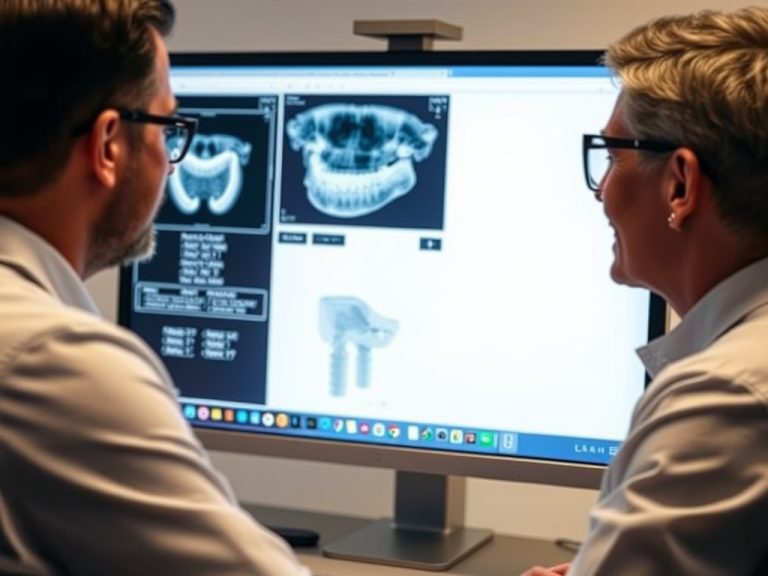
Before accepting a plan for Why Oral Health Matters for More Than Just Your Teeth, request a plain-language explanation of what would make the diagnosis or treatment sequence change when the diagnosis is confirmed. A sound decision about Why Oral Health Matters for More Than Just Your Teeth begins with the findings that can be seen, measured, photographed, or confirmed on dental imaging.
A simple move before your next checkup
if it has been a while since your last exam, schedule a routine dental visit and bring a current medication list so your care plan reflects what is happening in the rest of your health too.
What a routine oral-health review usually covers
A thorough visit is not only a polish and quick glance. It may include gum measurements, a review of dry-mouth risk, bite wear, soft-tissue screening, questions about diet and tobacco or alcohol exposure, and a conversation about whether you are getting the right recall interval for your risk. That kind of review is useful because two people with the same brushing habits may still need different prevention plans if one has reflux, several medications, or a history of repeated decay.
Sources for Oral Health Matters More Than Just Teeth